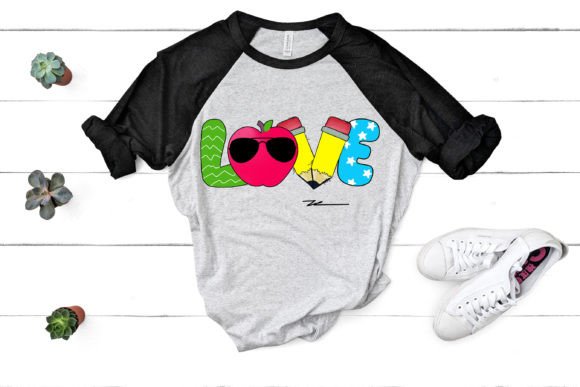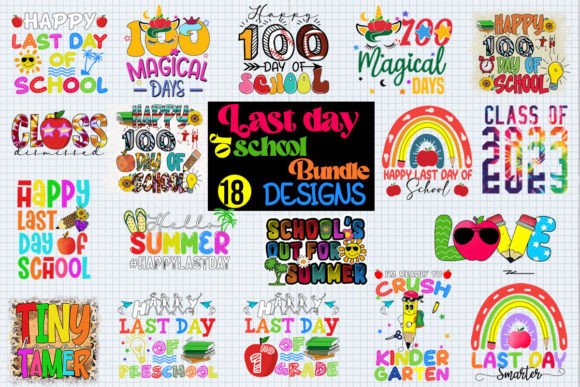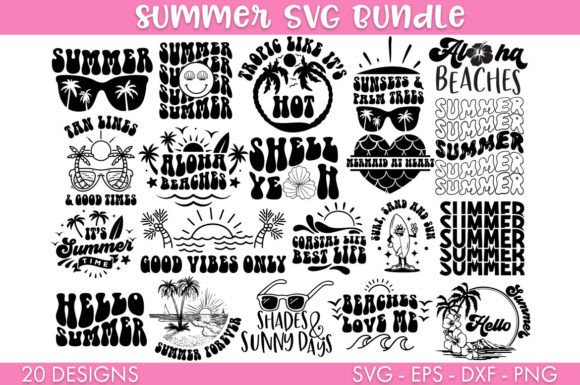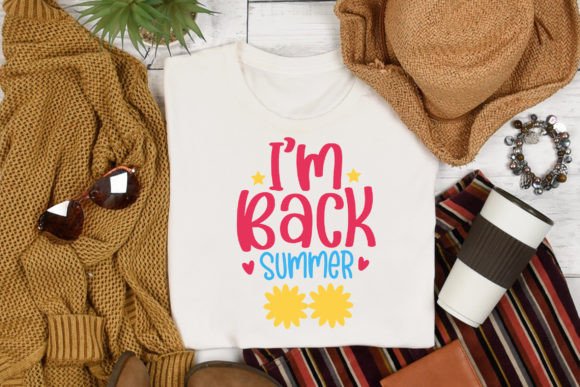
Last Day of School SVG I’m Back Summer: Creative Freedom, Ready When You Are
Summer isn’t just a season—it’s a rhythm shift. For educators, parents, small business owners, and crafters alike, the final bell signals more than vacation. It marks a pivot point: from structured routines to intentional creativity, from classroom logistics to personalized expression. That’s where Last Day of School SVG I’m Back Summer meets real-world need—not as a novelty, but as a versatile, production-ready asset built for how people actually create today.
More Than a Design—A Workflow Enabler
This collection isn’t a single graphic tossed into a marketplace feed. It’s a thoughtfully layered digital toolkit: one EPS file for vector scalability, one SVG optimized for Cricut and Silhouette machines, one DXF for CNC and laser users, plus high-res JPG and PNG files for print-on-demand mockups or social previews, and a clean PDF for quick reference or client sharing. That range reflects how modern makers work—not in silos, but across platforms and outputs.
Whether you’re a teacher printing “Happy Last Day of School” lettering quotes SVG onto palette signs for hallway displays, a boutique owner embroidering the phrase onto summer camp staff tees, or a freelance designer adding a custom monogram to a tumbler decal using Adobe Illustrator—you’re not fighting the file. You’re meeting it where your workflow already lives.
Why Now? The Quiet Rise of Seasonal Micro-Designs
Seasonal design used to mean broad strokes: generic suns, palm trees, or fireworks. Today’s audience expects nuance—timing, tone, and specificity matter. “Last Day of School” isn’t just celebratory; it’s layered with relief, nostalgia, anticipation, and even quiet exhaustion. The hand-painted aesthetic of ProDesign Print X’s illustrations leans into that authenticity. It avoids clip-art stiffness. Instead, it offers warmth, texture, and subtle imperfection—qualities that resonate across Instagram feeds, Etsy listings, and school newsletter graphics alike.
This aligns with broader shifts: consumers increasingly favor small-batch, personality-driven goods over mass-produced sameness. Educators are personalizing classroom exits with student names and inside jokes. Parents are designing backyard “I’m Back Summer” banners that double as photo backdrops. Event planners are sourcing vinyl-cut signage for end-of-year picnics that feel handmade—not templated. The demand isn’t for “summer,” but for *this* summer, *this* class, *this* moment of transition.
From Classroom to Commerce—Practical Use Cases
The versatility isn’t theoretical. Here’s how creators are applying these files right now:
- Home decor makers are cutting the lettering from wood or acrylic to create shelf-sitters and entryway signs—pairing “I’m Back Summer” with chalkboard paint or natural grain finishes for contrast.
- Small apparel brands are layering the SVG over distressed cotton tees and long sleeve shirts, using the included PNG for screen-printed underbases or direct-to-garment previews.
- Teachers and PTA volunteers are importing the DXF into Glowforge or Boss Laser software to etch the phrase onto wooden cupcake toppers or engraved coasters for end-of-year teacher gifts.
- Digital product sellers are bundling the EPS and PDF files into editable Canva templates—allowing customers to swap fonts, colors, or add photos without touching vector software.
- Embroidery studios are converting the SVG into PES or DST formats (using tools like Embird or Wilcom) to stitch the quote onto backpacks, tote bags, and graduation caps—adding dimension with variegated thread choices.
None of this requires starting from scratch. The files remove friction—not inspiration.
Design Integrity Meets Technical Flexibility
“Digitally hand-painted” doesn’t mean “low-res.” These illustrations retain fine detail at any scale: brushstroke texture stays legible on a 2-inch sticker and expands cleanly to a 48-inch banner. That fidelity matters when you’re laser-cutting tea towels or engraving stainless steel tumblers. It also means fewer surprises during preflight checks—no pixelation, no jagged edges, no missing layers.
The inclusion of both SVG and DXF files acknowledges reality: not every creator uses the same machine or software stack. A Cricut Maker user needs SVG. A woodworker running Mach3 CNC software needs DXF. A print shop preparing for offset runs needs EPS. Offering all six formats—without upsells or tiered access—respects how time-pressed professionals allocate effort. You download once, deploy everywhere.
Realistic Integration Tips
If you’re new to working with multi-format SVG bundles, start simple:
- Extract the ZIP first—don’t try to open files directly from compression.
- For Cricut Design Space: upload the SVG. Resize freely—the vectors stay sharp. Use “Contour” to hide or reveal specific elements (like decorative flourishes behind the main text).
- For embroidery: import the SVG into your digitizing software, then adjust stitch density and underlay based on fabric type—not the design itself.
- For print: use the PDF or EPS for professional output. Reserve the PNG only for web previews or social thumbnails.
- Always check your junk/spam folder after purchase—automated delivery emails sometimes land there, especially if you’re using a school or workplace domain.
No tool replaces judgment—but good files reduce the guesswork.
Beyond the Bell: How This Fits Into Larger Creative Shifts
There’s growing recognition that creative labor shouldn’t be gatekept by technical complexity. The rise of accessible cutting machines, affordable laser tools, and intuitive design platforms has shifted power toward execution—not just ideation. What used to require a graphic designer, a printer, and a seamstress can now happen in one person’s garage studio, powered by files like Last Day of School SVG I’m Back Summer.
That democratization comes with responsibility. Which is why thoughtful file packaging—clear naming conventions, consistent color modes (CMYK for print, RGB for screen), and format-specific optimizations—matters more than ever. It’s not about making things “easy.” It’s about honoring the user’s expertise while removing avoidable roadblocks.
And yes—this applies whether you’re a homeschool parent crafting a “Summer Learning Kit” banner or a marketing director building a back-to-school campaign for an edtech startup. The context changes. The need for reliable, adaptable, human-centered design assets doesn’t.
Final Thought: Creativity Starts With Access
You don’t need permission to celebrate the last day of school—or to reinterpret what “summer” means for your community, brand, or classroom. You do need tools that respect your time, your tools, and your voice. That’s the quiet utility of this collection: it doesn’t shout. It supports. It scales. It adapts. And when the bell rings, it’s ready—just like you are.