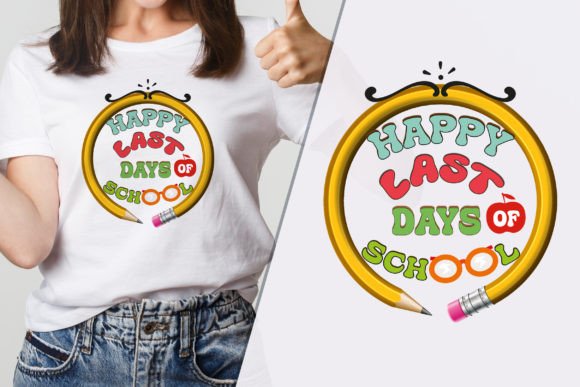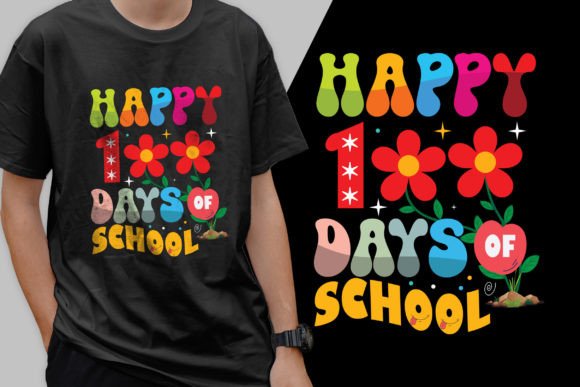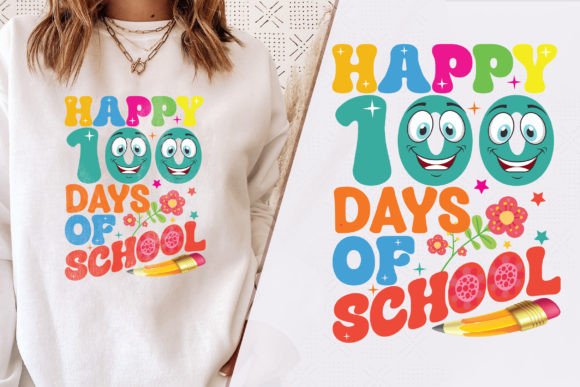
100 Days of School Trendy T-Shirt Design
A 100 Days of School Trendy T-Shirt Design refers to a custom-crafted apparel item created specifically to celebrate the educational milestone of completing 100 days of instruction—commonly observed in elementary classrooms across the U.S. These designs go beyond basic numerals or school logos; they incorporate contemporary aesthetics such as retro color palettes, playful typography, thematic illustrations (e.g., rainbows, stars, groovy patterns), and age-appropriate cultural references. While rooted in an academic tradition, the “trendy” designation signals intentional alignment with current fashion sensibilities—think wearable art that resonates with both students and adults who value expressive, identity-conscious clothing.
Interest in these designs often stems from multiple overlapping motivations. Educators may seek cohesive, classroom-ready apparel for themed celebrations or photo opportunities. Parents might look for keepsake-quality tees that reflect their child’s personality while supporting school engagement. Students—especially older elementary learners—increasingly express preferences for clothing that feels authentic and stylistically relevant, not just functional. Additionally, designers, small-batch apparel sellers, and print-on-demand creators explore this niche as a seasonal but reliable demand driver tied to academic calendars.
One key benefit of choosing a well-executed 100 Days of School Trendy T-Shirt Design is its dual-purpose utility: it serves as both a commemorative artifact and a versatile wardrobe piece. High-quality fabric blends (e.g., combed cotton or cotton-polyester mixes) offer durability through repeated washing and wear—important for active children—and comfort for all-day use. Visually engaging elements like vibrant screen-printed graphics or soft-hand digital prints enhance visual appeal without compromising breathability. When designed thoughtfully, these shirts can also support inclusive representation—featuring diverse skin tones, adaptive sizing notes, or gender-neutral motifs—making them more broadly accessible.
However, practical tradeoffs exist. Trend-forward aesthetics often rely on complex color layers or detailed linework, which can raise production costs or limit printing method options (e.g., DTG vs. screen printing). Overly intricate designs may not scale well to youth sizes or fade faster under frequent laundering if ink or fabric quality is subpar. Likewise, “trendy” does not automatically mean timeless—some motifs tied closely to fleeting social media aesthetics may feel dated within a year, reducing long-term sentimental or resale value.
Considerations before selecting or commissioning such a design include intended use, audience age range, production volume, and technical constraints. For example, a single-classroom order of 25 shirts favors screen printing for cost efficiency and color fidelity, while a boutique seller offering customizable options benefits from scalable vector-based files (EPS, SVG) and high-resolution PNGs with transparent backgrounds—formats that ensure clean reproduction across garment types and sizes. File specifications like 300 dpi at 12″ × 16″ or 4500 × 5400 pixels meet industry standards for professional apparel printing but are unnecessary for home iron-on transfers or low-volume craft projects.
A 100 Days of School Trendy T-Shirt Design is a strong fit when the goal is to reinforce positive learning milestones with intentionality and visual cohesion. It works especially well in settings where community building, student voice, and creative expression are prioritized—such as project-based learning environments, charter schools with strong arts integration, or homeschool co-ops emphasizing experiential traditions. It also suits families seeking meaningful alternatives to generic store-bought apparel, particularly those valuing sustainability (e.g., organic cotton bases) or local production partnerships.
Conversely, alternatives may be preferable in certain contexts. For large district-wide initiatives with tight budgets, simpler, standardized designs printed via bulk offset methods may offer better cost control and consistency. In early primary grades (K–1), oversized graphics or minimal text may be more developmentally appropriate than dense psychedelic patterns or subtle typographic puns. Similarly, schools with strict dress codes—or those serving communities where overt branding conflicts with cultural norms—may opt for understated embroidery or tone-on-tone prints instead of bold, full-front graphics.
Decision-making should begin with clarifying purpose. Ask: Is this primarily for documentation (e.g., class photos), personal keepsakes, fundraising, or brand extension? Who will wear it—and how frequently? What values matter most: longevity, inclusivity, environmental impact, or visual distinctiveness? Matching design choices to these priorities—not just aesthetic preference—leads to more sustainable outcomes. For instance, choosing a versatile retro-inspired palette (like mustard, avocado, and burnt orange) over neon gradients increases re-wear potential beyond the 100th day. Likewise, specifying fabric certifications (e.g., GOTS, OEKO-TEX) adds measurable value for health- or eco-conscious buyers, even if it raises unit cost slightly.
Ultimately, evaluating a 100 Days of School Trendy T-Shirt Design requires balancing symbolic meaning with material reality. A compelling concept must translate reliably into physical form—across sizes, wash cycles, and lighting conditions. Reviewing mockups on actual garment templates, requesting fabric swatches, and verifying file compatibility with your printer are concrete steps that reduce assumptions and increase confidence in the final product. Whether sourced from a dedicated designer, a print-on-demand platform, or an in-house creative team, the strongest outcomes emerge when trend awareness supports—not overrides—function, accessibility, and authenticity.